

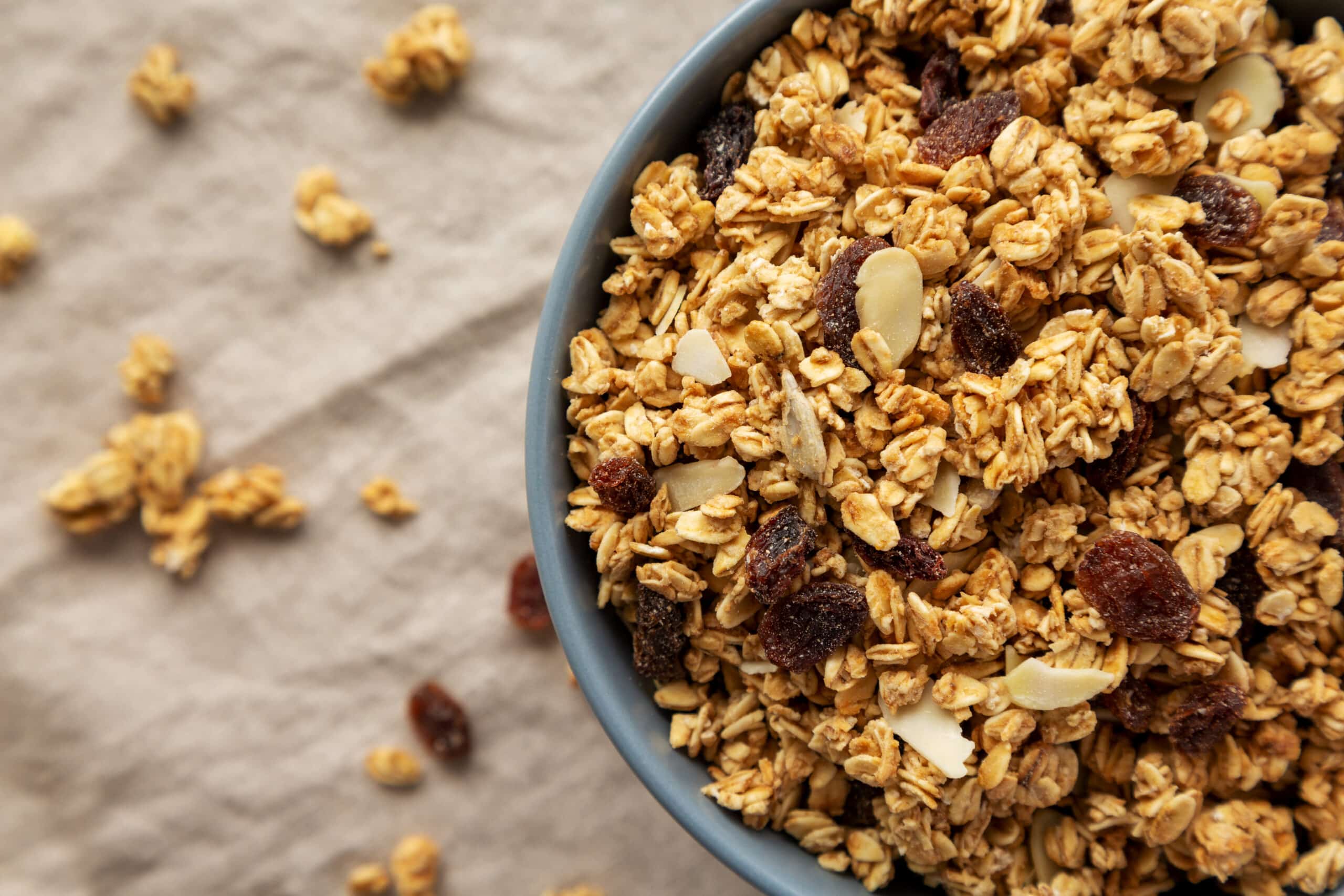
KIND Healthy Grains Dark Chocolate Clusters are at the center of a new class action lawsuit alleging the product contains more than four times the allowable daily limit of lead under California law. The lawsuit claims that while KIND markets its granola as being made with “super grains” and “healthy” ingredients, it fails to disclose the presence of toxic heavy metals to consumers.
What Are the Allegations Against KIND Granola?
A proposed class action lawsuit, Burnett v. KIND LLC et al., filed in the U.S. District Court for the Northern District of California, alleges that KIND Healthy Grains Dark Chocolate Clusters contain a substantial amount of lead. According to the complaint, independent laboratory testing commissioned by the plaintiff’s counsel found that a single 65-gram serving of the granola contained 2.34 micrograms of lead.
This amount is more than four times the Maximum Allowable Dose Level (MADL) for lead set by California’s Proposition 65, which is 0.5 micrograms per day for reproductive toxicity. The lawsuit argues that KIND prominently features health-conscious labels on its packaging, such as “Healthy Grains” and “Ingredients You Can See & Pronounce,” while staying silent about the presence of heavy metals.
Why is Lead Exposure a Concern in Food Products?
Lead is a toxic heavy metal that can accumulate in the body over time, posing serious risks to human health. According to the World Health Organization, there is no known safe level of lead exposure. For everyday people who consume granola as part of a healthy routine, the unexpected presence of lead can lead to long-term health complications.
The lawsuit highlights that lead exposure can affect nearly every organ system in the body. Potential health risks associated with lead toxicity include kidney damage, anemia, seizures, and neurological issues. The plaintiff alleges that because KIND did not disclose these levels on its labels, consumers were unable to make an informed choice about whether the product was safe for their families.
How Does KIND Market These Granola Clusters?
The legal challenge centers on the gap between KIND’s marketing and the alleged laboratory findings. The company’s packaging includes several claims designed to appeal to health-conscious consumers, including:
“Made with 5 Super Grains”
“KIND Healthy Grains”
“100% Whole Grains”
“Kind for your body”
Plaintiffs allege that these representations are misleading because a reasonable consumer would not expect a product labeled as “healthy” or “kind for your body” to contain elevated levels of a known toxin. The lawsuit claims that consumers pay a price premium for KIND products specifically because they believe they are buying a high-quality, safe, and nutritious snack.
What Does This Mean for California Consumers?
The lawsuit seeks to represent a class of California residents who purchased KIND Healthy Grains Dark Chocolate Clusters within the last four years. At this stage, the litigation is focused on economic injury—the idea that people would not have purchased the granola, or would have paid less for it, if they had known about the lead content.
The company has not yet admitted to any wrongdoing in this case. In previous litigation regarding “All Natural” claims, KIND has successfully defended its marketing practices in court. However, this new case focuses specifically on the presence of heavy metals and California’s strict transparency laws regarding toxic substances.
You May Be Eligible if You Purchased KIND Granola
If you live in California and purchased KIND Healthy Grains Dark Chocolate Clusters for personal or household use, you may be eligible to participate in this class action. This case is currently in its early stages, and there is no settlement money available yet. However, active investigations like this are the first step in holding companies accountable for what they put in their products.
You do not need to have suffered a physical illness to be part of an economic injury class action. The core of the claim is that you were misled into buying a product that was not as safe or “healthy” as advertised.
How to Protect Your Rights and Take Action
Don’t stand alone when dealing with large food corporations. If you have purchased these products, it is important to stay informed as the case moves through the court system. There is no obligation to reach out, but connecting with an experienced attorney can help you understand your options for seeking justice.
At Class Action U, we provide valuable educational resources for potential plaintiffs. Learn more about how to join a class action lawsuit or the class action lawsuit process.